
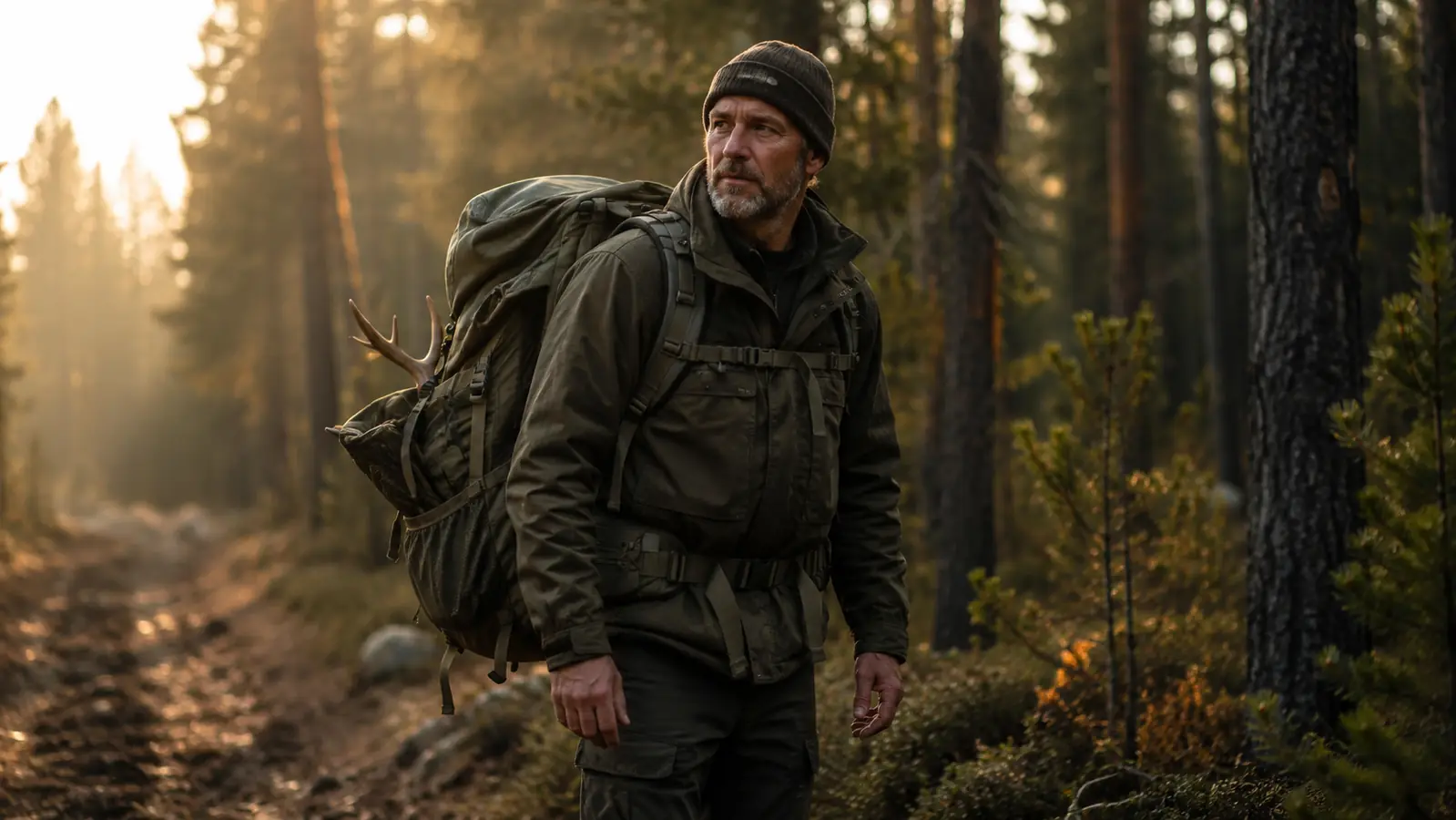
I've done it wrong before. Three years back I tried to pull off a two-night deer camp with a 28-liter daypack because I didn't want to buy a bigger bag. I made it work, barely, but I paid for it with a blown-out zipper, a tent pole that poked through the side pocket, and shoulder straps that left me sore by mile two. The TETON Scout 55L fixed all of that in one purchase. If you're planning any trip where you sleep outside at least once, an internal frame pack isn't a luxury, it's the baseline. Here's exactly why.
I've linked to a full long-term breakdown if you want the deep dive: Teton 55L Scout Backpack Review: A Full Season of Hunting, Camping, and Hiking. But these 10 reasons will tell you whether you need to make the jump right now.
Still trying to fit two nights of gear into a 30L daypack? Stop punishing yourself.
The TETON Scout 55L has a 4.7-star rating from nearly 8,000 buyers. Internal frame, hip belt load transfer, sleeping bag compartment, hydration sleeve, and enough pockets to stay organized. This is the pack I recommend when someone asks me what to start with.
Amazon Check Today's Price on Amazon →A Hip Belt That Actually Carries the Weight
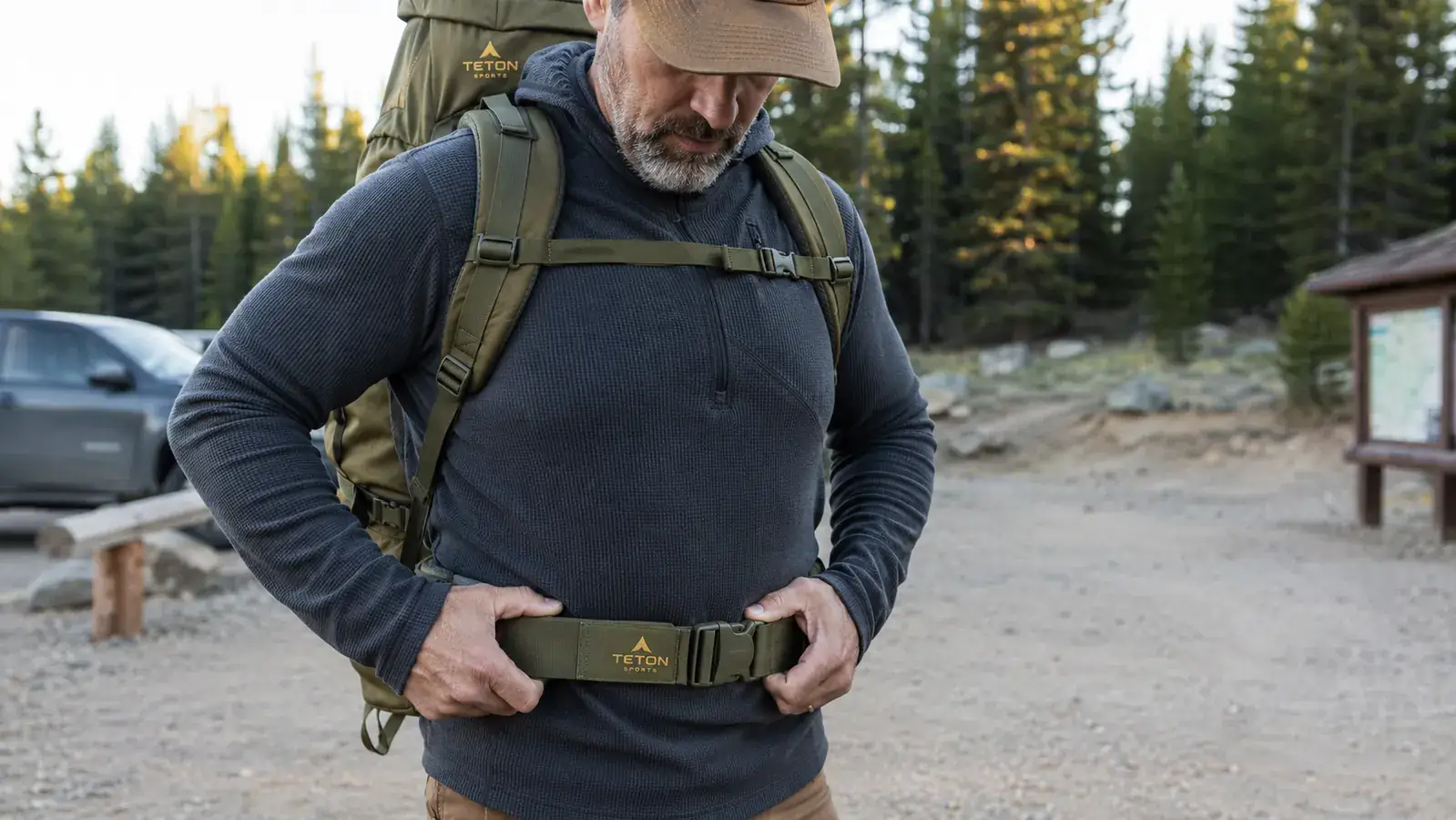
A daypack hangs everything off your shoulders. That works for six miles and a water bottle. Add a sleeping bag, food, and a stove and your shoulders will be done by mile four. An internal frame pack like the TETON Scout moves 70 to 80 percent of the load onto your hips, where your legs can carry it all day without complaint. That hip belt is the single biggest reason overnight packs exist.
A Dedicated Sleeping Bag Compartment
Stuffing a sleeping bag into the main body of a daypack turns everything else into a wrestling match. The TETON Scout has a bottom compartment that zips open specifically for your bag. You load it first, zip it off, and build everything else on top. Your bag stays dry, compressed, and out of the way. That's a workflow a daypack physically cannot offer.
An Internal Frame That Keeps Load Centered on Your Back
The frame on the TETON Scout is sewn into the back panel. It transfers weight vertically and keeps the pack from sagging and swinging as you move through uneven terrain. A daypack has no frame at all. You feel every load shift with every step. On a rocky trail that wobble gets old fast, and it pulls you off balance in ways you don't notice until you're tired.
Enough Volume to Actually Bring What You Need
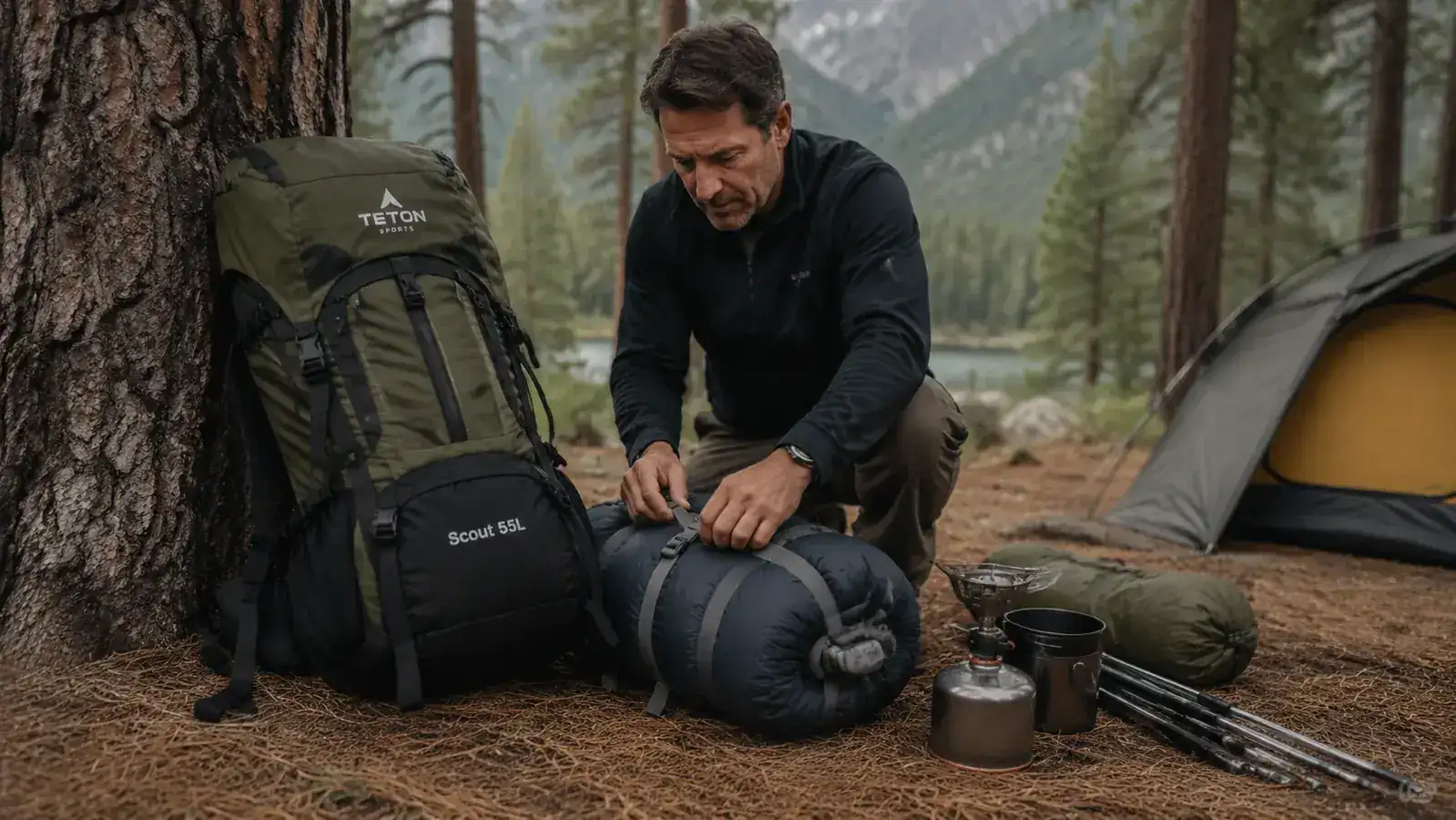
55 liters sounds like a lot until you lay out two nights of gear: sleeping bag, tent, pad, food, water filter, stove, fuel, rain layer, dry clothes, first aid. A 30-liter daypack holds about half that before the zippers start straining. The Scout gives you room to pack properly and still close every compartment cleanly. I've covered what goes where if you want to plan your load: How to Pack a 55L Backpack for a Camping Weekend.
External Lash Points for Bulky Gear
Tent poles, trekking poles, a wet rain fly, a rolled pad that won't fit inside. Internal frame packs are built with external attachment points and compression straps for exactly this stuff. A daypack has none of that. You end up holding things in your hand or bungee-cording them to the outside in ways that always end up rattling loose on the descent.
A Hydration Sleeve That Doesn't Kill Your Packing Space
The Scout has a built-in hydration reservoir sleeve in the back panel section, separated from your main gear. You run the hose through the shoulder strap and drink without stopping. A daypack's hydration sleeve usually sits inside the only compartment you have, and you're constantly pulling the bladder out to pack around it. Having dedicated space for water is one of those things you take for granted until you camp without it.
After day one on a mountain camp with 35 pounds in the Scout, my shoulders felt fine. I wouldn't have said that about any daypack I've owned.
Multiple Organized Pockets So You Stop Digging
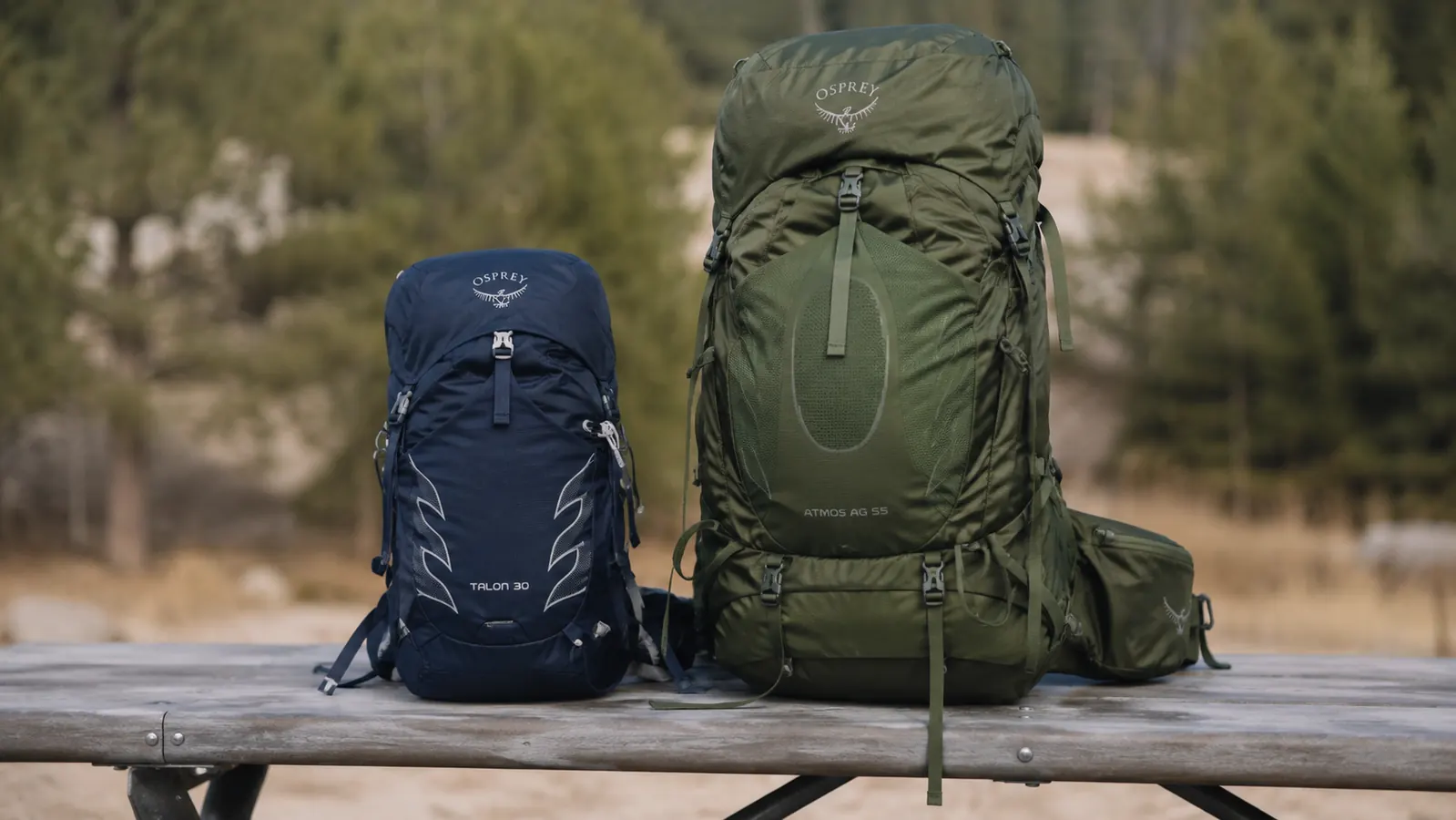
Front panel zip, side water bottle pockets, top lid compartment, hip belt pockets. The Scout gives you a place for everything: snacks on the hip belt, headlamp in the top lid, map or phone in the front panel, water bottle on the side. A daypack usually gives you one big chamber and one small zip. You spend half the trip digging for the thing you need right now.
Rain Cover or Waterproofing Options Built In
The Scout comes with an integrated rain cover that stuffs into a pocket on the bottom. You yank it out when weather rolls in and your whole load stays dry. A daypack usually ships with no rain cover at all. You're buying a dry bag separately or wrapping everything in garbage bags inside your pack like it's 1987. Having a cover that's already there and ready is a small thing until you need it in a squall.
Better Fit Adjustment for Real Loads
The Scout has a torso length adjustment and padded shoulder straps that are wide enough to matter under load. Daypacks are built for 15 pounds max, so the padding is thin and the fit is approximate. Put 30 pounds on a daypack shoulder strap and you'll feel every seam and buckle edge by the end of the day. Proper fit systems on overnight packs aren't marketing copy, they're engineering for real weight.
It Handles Multi-Use Trips Without a Second Bag
Hunting camp, fishing trip, backpacking weekend, base camp for a multi-day hike. The Scout handles all of it out of one pack. I used mine for three days of elk scouting in the mountains and came back talking about it the same way I came back from my three-day deer hunt: The Backpack That Carried Everything on a Three-Day Deer Hunt. A daypack locks you into day trips. This pack opens up the full menu.
What I'd Skip
If you're only doing day hikes, one to two hours out and back to a picnic spot or a viewpoint, an internal frame pack is overkill. You don't need hip belt load transfer for 8 pounds of snacks and a first aid kit. For single-day stuff, a good 20 to 25-liter hydration pack or trail daypack is the right tool. The Scout earns its keep once you're sleeping outside. That's the crossover point where the 10 reasons above stop being features and start being requirements.
The daypack is for the day. Once you're sleeping out, you need a real pack. I wish someone had said that to me before I blew out a zipper trying to prove otherwise.
Ready to stop fighting your pack and start covering ground?
The TETON Scout 55L is the internal frame pack I point people to when they want something that does everything right without costing premium money. Nearly 8,000 reviews, 4.7 stars, integrated rain cover, hip belt load transfer, dedicated sleeping bag compartment. If you're doing any overnight trip this season, this is the pack to have.
Amazon Check Today's Price on Amazon →