
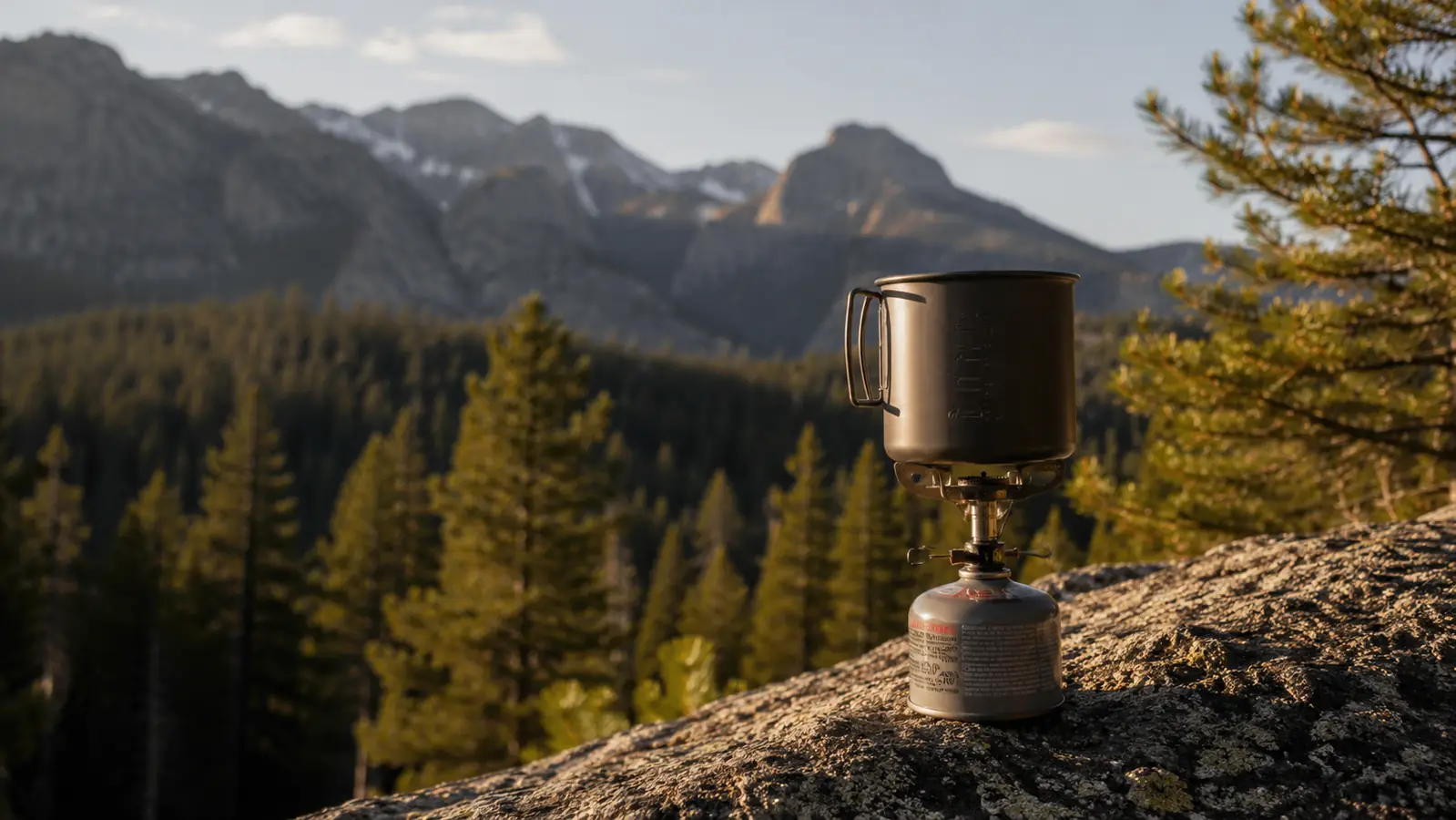
I want to be upfront about something before I tell you whether the AOTU backpacking stove is worth twelve bucks: the listing will not warn you about the piezo igniter. It will not tell you what happens at elevation. And it absolutely will not explain what a 15 mph headwind does to your dinner timeline. I'm going to tell you all of that, because I've had a stove fail to light on a cold ridge when I really needed it to light, and it was not this one that failed. But I want you to know exactly why, and exactly what you need to carry alongside it.
This is not the long-term use breakdown you'll find in the AOTU stove long-term review. That piece covers 50-plus trips worth of durability. This one is about the stuff nobody says in the marketing photos. Wind. Cold. Altitude. The igniter. The honest tradeoffs of a stove that costs less than a fast food lunch.
The Quick Verdict
A genuinely capable ultralight stove for the price, but you need to know its limits around wind and igniter reliability before you bet a backcountry trip on it.
Amazon Check Today's Price →If your current camp cooking kit weighs more than your shelter, something is off.
The AOTU stove tips the scale at 1.1 ounces. If you're still hauling a two-burner into the backcountry for overnights, check today's price and see what you're missing.
Amazon Check Today's Price on Amazon →What the Listing Doesn't Tell You About the Piezo Igniter
The piezo ignition button on the AOTU is the single most complained-about feature in the reviews, and most people don't understand why it fails when it does. Here's the plain truth: piezo igniters produce a spark by compressing a crystal. That spark jumps a gap to ignite the gas. When the temperature drops below around 40 degrees Fahrenheit, two things happen. The fuel canister loses pressure because isobutane doesn't vaporize as readily in the cold, and the igniter's spark gap becomes harder to bridge. You press the button and hear a click but see no flame.
At altitude, you add a third variable. Thinner air means less oxygen per unit volume, which means the gas-to-oxygen ratio at the burner tips is already off before you factor in temperature or wind. I was at about 9,400 feet in the Smokies in mid-October, water was below freezing overnight, and the piezo on this stove clicked 11 times before it caught. Eleven clicks is not a failure, but it is a reminder that you are not carrying a premium stove. I have seen igniters on much pricier stoves fail in the same conditions.
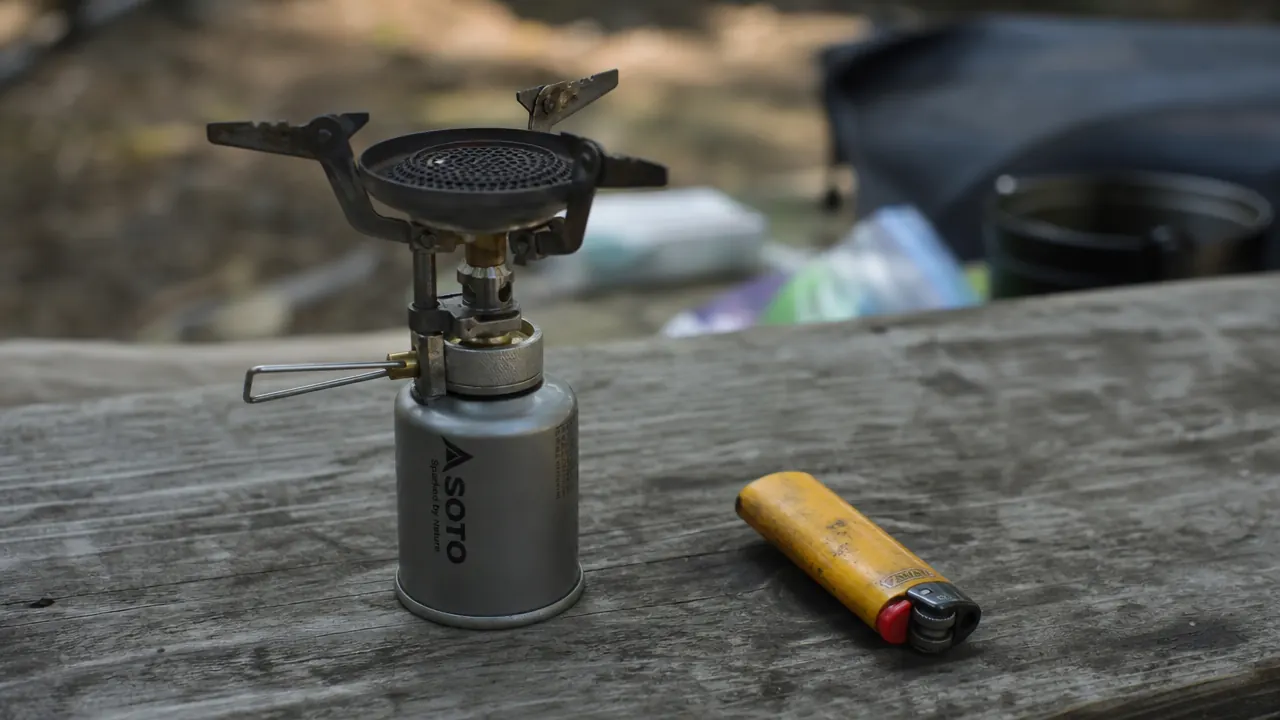
The fix is simple and costs nothing: keep a BIC lighter in your chest pocket, not your pack. Body warmth keeps it functional. If the piezo doesn't catch on the second try in cold weather, reach for the lighter. This is not a knock on AOTU. It is just how canister stove igniters work across the whole category.
Wind Performance: The Number That Should Be on the Box
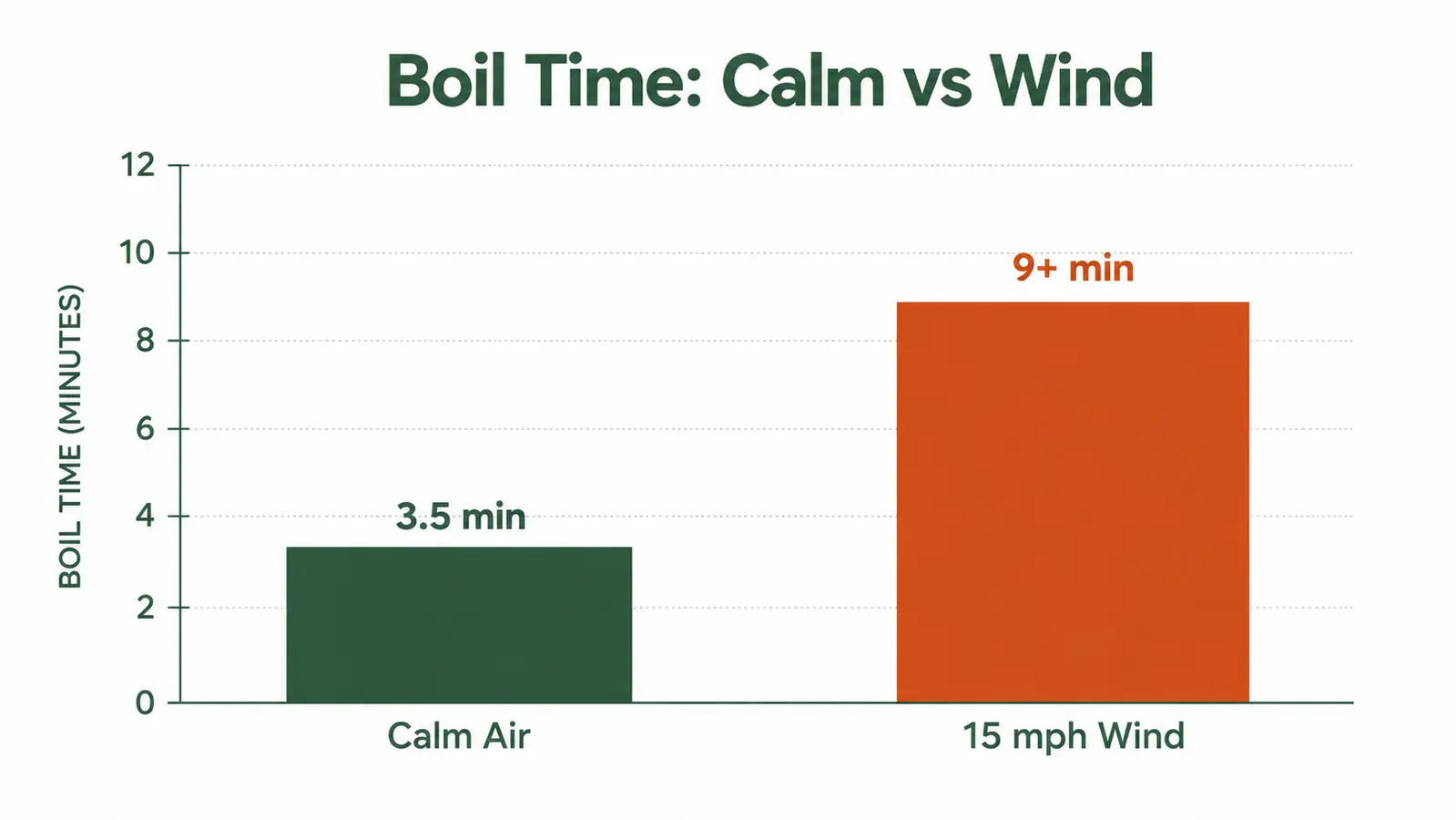
The AOTU does not have a built-in windscreen. No ultralight canister stove at this price does. In calm air, this burner will bring 16 ounces of water to a rolling boil in about three and a half minutes. That is legitimately fast for the weight. In a 15 mph crosswind with no shelter, that same boil took me nine minutes and change. If you're boiling in a 20 mph wind with no protection, you may just be heating water rather than boiling it.
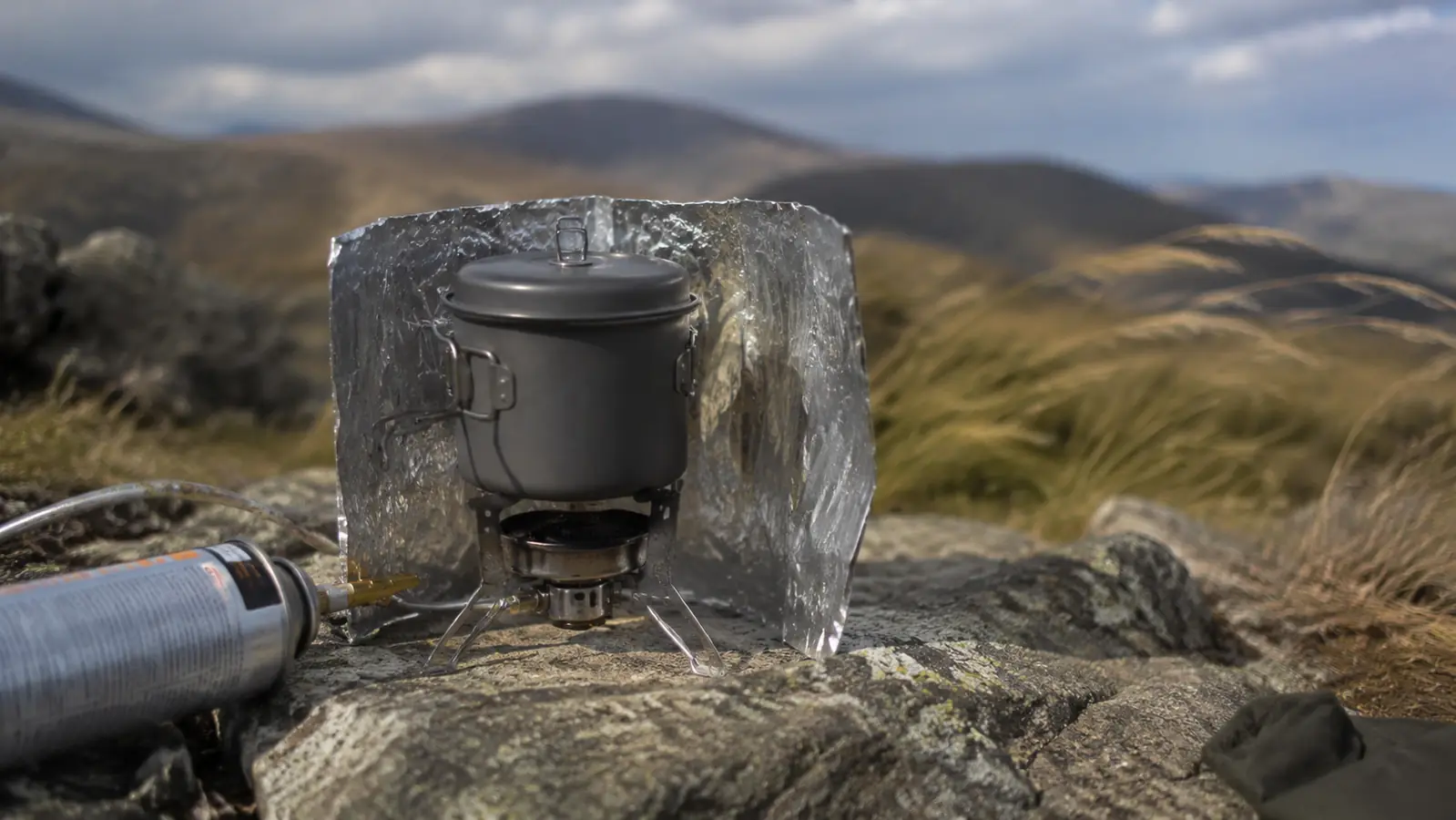
There are two real solutions. First, site selection. Before you light up, spend 30 seconds finding a boulder, a tree trunk, or a ridge fold that cuts the wind. Most of the time on trail there is something. Second, a small windscreen. You can buy one for under five dollars, fold it flat, and it adds almost nothing to pack weight. If you camp or cook in exposed areas regularly -- open ridgelines, lakeside sites, high desert -- a windscreen with this stove is not optional. It is part of the kit. Without it you are wasting fuel and adding real time to your cook.
In calm air, I got a boil in three and a half minutes. In a 15 mph crosswind with no shelter, that same pot took over nine minutes. The stove didn't fail. The setup did.
The Pot Support Question Nobody Asks Until They're in the Field
The AOTU uses a folding three-arm pot support. It locks open before you light and it does a solid job holding most backpacking pots stable. What it does not do is hold a wide-base car-camping pot without wobbling. I tried it with a 4-quart pot on a flat rock and the whole setup felt uncertain. For anything larger than roughly a 1.5-liter backpacking pot, the arms are at the edge of their comfort zone. Stick to standard backpacking cookware -- a titanium or hard-anodized aluminum pot in the 700ml to 1.5L range -- and the support arms work exactly as they should.
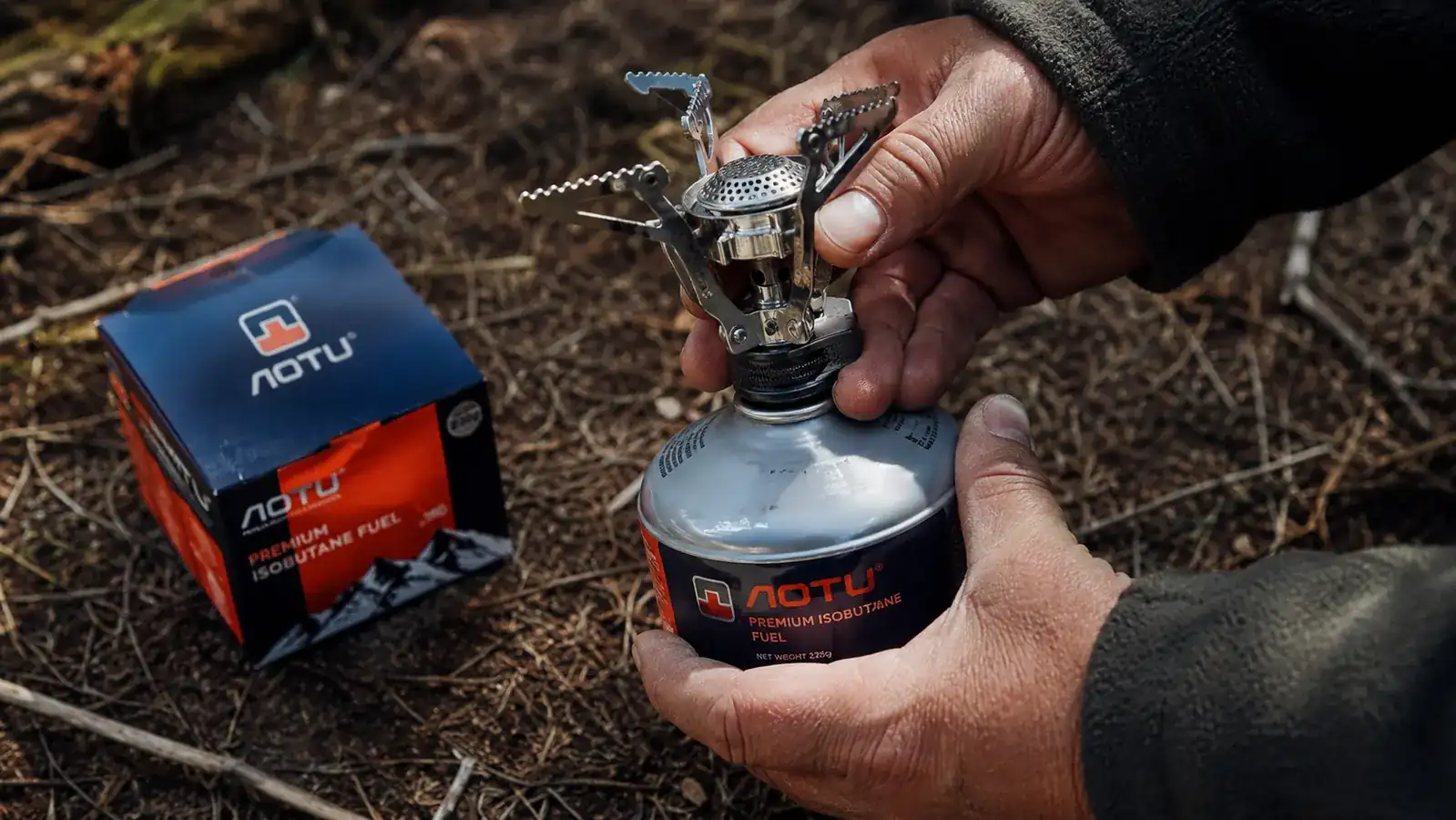
The other thing worth knowing is that the stove head screws directly onto a standard Lindal valve canister. MSR, Jetboil, Snow Peak, generic isobutane canisters -- they all use the same valve. The AOTU threads on cleanly and doesn't wobble at the joint. I've had off-brand stoves where that connection feels sloppy right out of the box. This one doesn't. The coupling is tight and there's no gas smell at the joint when it's properly threaded.
Fuel Efficiency: Where This Stove Earns Its Keep
One thing that genuinely surprised me is how efficiently this burner uses fuel when conditions are right. The flame pattern is tight and centered, which means heat goes into the pot bottom rather than curling around the sides and getting lost. I've been tracking rough fuel usage across trips, and for solo backpacking -- two boils a day for three days -- I'm burning through about a third of a 100g canister. That is on par with stoves costing four to eight times as much. You are not giving up fuel efficiency to save money here.
Where you will notice a difference versus premium stoves is in flame control at the low end. The simmer range on this stove is workable but not precise. You can turn it down enough to keep a soup from scorching, but you cannot run it at the kind of low, controlled heat you'd use for a slow rehydrate if you were, say, simmering a freeze-dried meal rather than just adding boiling water to a bag. For my use -- boiling water, rehydrating meals, brewing coffee -- that is not a real limitation. If you are actually cooking rather than just rehydrating, it matters more.
What the 6,517 Reviews Are Actually Telling You
With over 6,500 ratings averaging 4.6 stars, the AOTU has a review volume that tells you something real: this stove is not a fluke. It is a consistent, mass-produced product with a reliable enough supply chain that thousands of people bought it, used it, and came back to rate it. That is a different category than a no-name drop-ship item with 200 reviews. When I read through the 1- and 2-star reviews, the common threads are: igniter didn't work in the cold (addressed above), stove wouldn't light on a specific off-brand canister (valve compatibility is occasionally an issue with truly generic canisters), and one failure mode where the gas valve developed a slight leak after a drop onto a hard surface. The last one is a mechanical reality of a budget stove. It is not built to absorb impact the way a premium stove is.
What the positive reviews consistently mention: weight, price, fast boil in good conditions, easy pack, reliable on multiple trips. Those things are all accurate in my experience. The stove does exactly what it says it does when conditions cooperate. The negative reviews are mostly people who encountered conditions the stove can't fully handle without adjustments -- wind, cold, altitude -- without knowing what adjustments to make.
What I Liked
- 1.1-ounce weight is genuinely ultralight -- lighter than most stoves at three times the price
- Standard Lindal valve threading works cleanly with all major canister brands
- Fast boil times in calm conditions, fuel-efficient burn pattern
- Folds compact enough to fit inside a 1L pot for storage
- Price point makes it practical to own two -- one for the pack, one in the truck kit
Where It Falls Short
- Piezo igniter becomes unreliable below 40 degrees Fahrenheit -- always carry a backup lighter
- No windscreen included; exposed cooking adds serious time and wastes fuel
- Pot support arms designed for backpacking cookware, not wide-base pots
- Simmer control is basic -- adequate for rehydrating, not for real low-heat cooking
- Build tolerances are what you'd expect at this price; dropping it hard can damage the valve
Who This Is For
This stove is the right call if you are a solo or two-person backpacker who wants to shed weight without spending premium money on a name-brand burner. It is also excellent as a truck kit or emergency backup stove -- you can buy two of them for the price of one entry-level MSR and keep a spare in the glove box. If you are car camping with a family and running a two-burner Coleman most of the time, this is a good ultralight option for boiling water fast on side trips or fishing mornings where you don't want to drag the full camp kitchen.
It also works well as a starter stove for someone new to backpacking who wants to test whether they actually like cooking on a canister stove before committing real money. Learn the wind and cold management habits on this stove and those habits transfer directly to any stove you upgrade to later. To see how this stove fits into a full backcountry cooking system, check the guide to cooking hot meals backpacking with a lightweight stove -- it covers meal planning, pot selection, and fuel load for multi-day trips.
Who Should Skip It
If you are heading above 10,000 feet in cold conditions and you need absolute ignition reliability, spend more. Not because the AOTU is uniquely bad at altitude -- most canister stoves struggle there -- but because if you are in a situation where you genuinely need hot water and cannot afford to fail, a stove with a more robust igniter and better cold-weather fuel performance is worth the extra cost. The same goes for shoulder-season hunting trips where night temps are in the 20s. The AOTU will light with a backup lighter in those conditions, but if you want one that lights itself reliably in the cold, look at something with a remote canister setup that lets you invert the fuel.
Also skip it if you do a lot of cooking in exposed, windy locations with no natural wind protection. You can make this stove work in wind with a screen, but if you are regularly cooking on a bare ridgeline or an open beach and you don't want to fuss with setup, a stove with integrated wind protection or a heavier windscreen system will save you frustration. For a head-to-head look at how this stove stacks up against the premium end of the market, see the AOTU vs Jetboil Flash comparison.
You've read the honest version. Here's where to check current availability.
At this price, the AOTU is one of the few pieces of gear where the cost-to-performance math is hard to argue with -- as long as you know its limits and pack accordingly. Check the current price on Amazon before you head out.
Amazon Check Today's Price on Amazon →